
Few fitness numbers are as famous as 10,000 steps a day. It is on every tracker, in every health app, repeated by everyone. So the question people actually search — "can you lose weight walking 10,000 steps a day?" — deserves an honest answer. Here it is: walking helps, the specific number is far less magical than you have been told, and how you walk matters as much as how much.
Not from a landmark study. The target traces back to a 1960s Japanese marketing campaign for a pedometer whose name translates roughly to "10,000-step meter." The number was round, memorable and challenging — branding, not physiology. That does not make walking useless; it means the threshold is arbitrary. Your body does not know the difference between 9,400 and 10,000 steps.
Weight loss still comes down to a sustained calorie deficit. Walking contributes by raising your total daily energy expenditure — including NEAT, the energy you burn through everyday movement outside formal exercise. For an average adult, 10,000 steps covers roughly 5 miles (about 8 km) and can add a few hundred calories of daily burn, varying a lot with body weight, pace and terrain. Spread over a week, that is meaningful — if food intake stays steady. One large flavoured coffee drink after the walk can quietly cancel the whole session, which is why walking combined with reasonably balanced eating outperforms walking alone, every time.
Expect a realistic timeline: many people notice better energy and clothes fitting differently within two to four weeks of consistent daily walking; visible scale change usually takes six to eight weeks or more. And no — walking cannot target belly fat specifically. Fat comes off across the whole body, in the order your genetics decide.
Start from where you are, not from a slogan. If you currently average 3,000 steps, jumping straight to 10,000 is a recipe for sore feet and quitting by Friday. A sustainable approach: measure your baseline for a week, then add roughly 1,000–2,000 steps a day every one to two weeks. Many beginners land productively in the 7,000–8,000 range — a genuine improvement over sedentary life — and build toward 10,000 only if it fits their day. Someone at 7,000 steps with solid nutrition will outperform someone forcing 10,000 while overeating. The best target is the highest one you can repeat for months.
No. A phone step counter is enough for most people. A dedicated tracker can help motivation and consistency, but it is an accessory, not a requirement. What you need is a repeatable routine: same walk after lunch, same loop with the dog, stairs instead of the lift. Build the habit loop first; count second.
The bottom line: treat 10,000 steps as a useful benchmark, not a pass-or-fail test. Move more than you did last month, walk a little faster, eat like it matters — because it does — and give it eight honest weeks. Want a structured plan that combines walking targets with strength training built for your level? Check our ready-to-follow training plans in the shop, or join the waitlist for the next release.
Programs, recipes and services to accelerate your transformation.
See the shop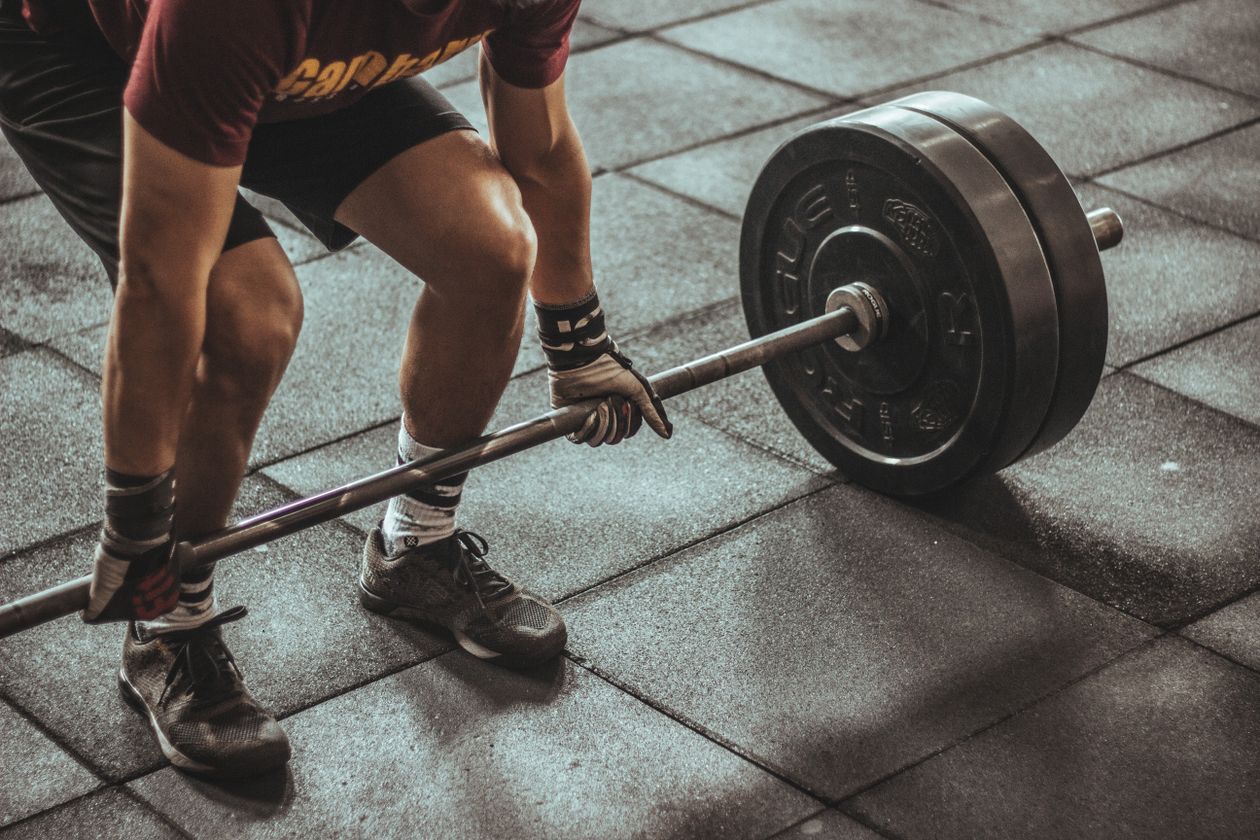 Training
Forget complicated splits. Three full-body sessions a week, six movement patterns, and a simple progression plan — everything a beginner needs.
Read article →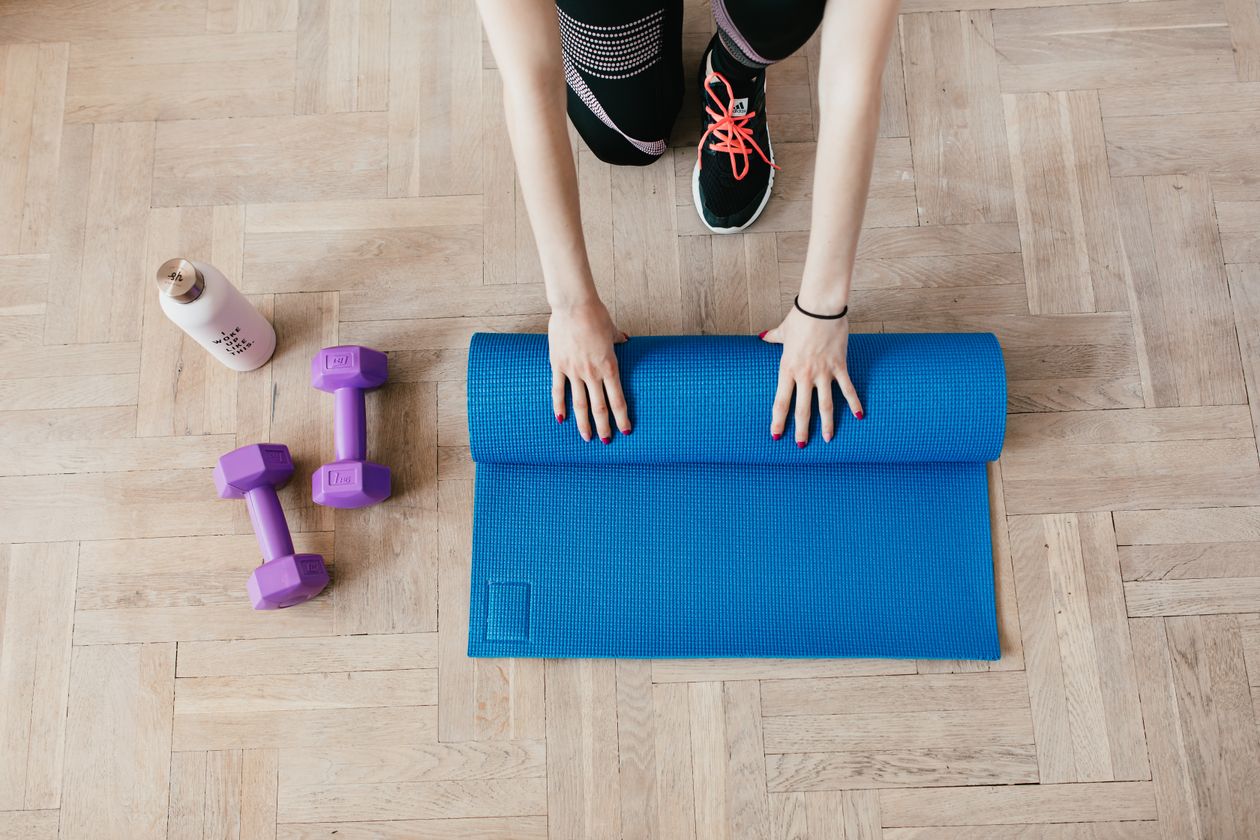 Training
No commute, no crowds, no excuses. A complete 30-minute full-body home session — plus how to keep making it harder as you get stronger.
Read article → Training
Push/pull/legs, upper/lower, bro split — what they actually mean, who each one is for, and how to match your split to the days you really have.
Read article →Ready-made training spreadsheets built by a certified coach — pick your goal and follow the plan, no consulting needed. Plus diet and recipe ebooks.
See the shop AMERICAN TRAINER INSTITUTE